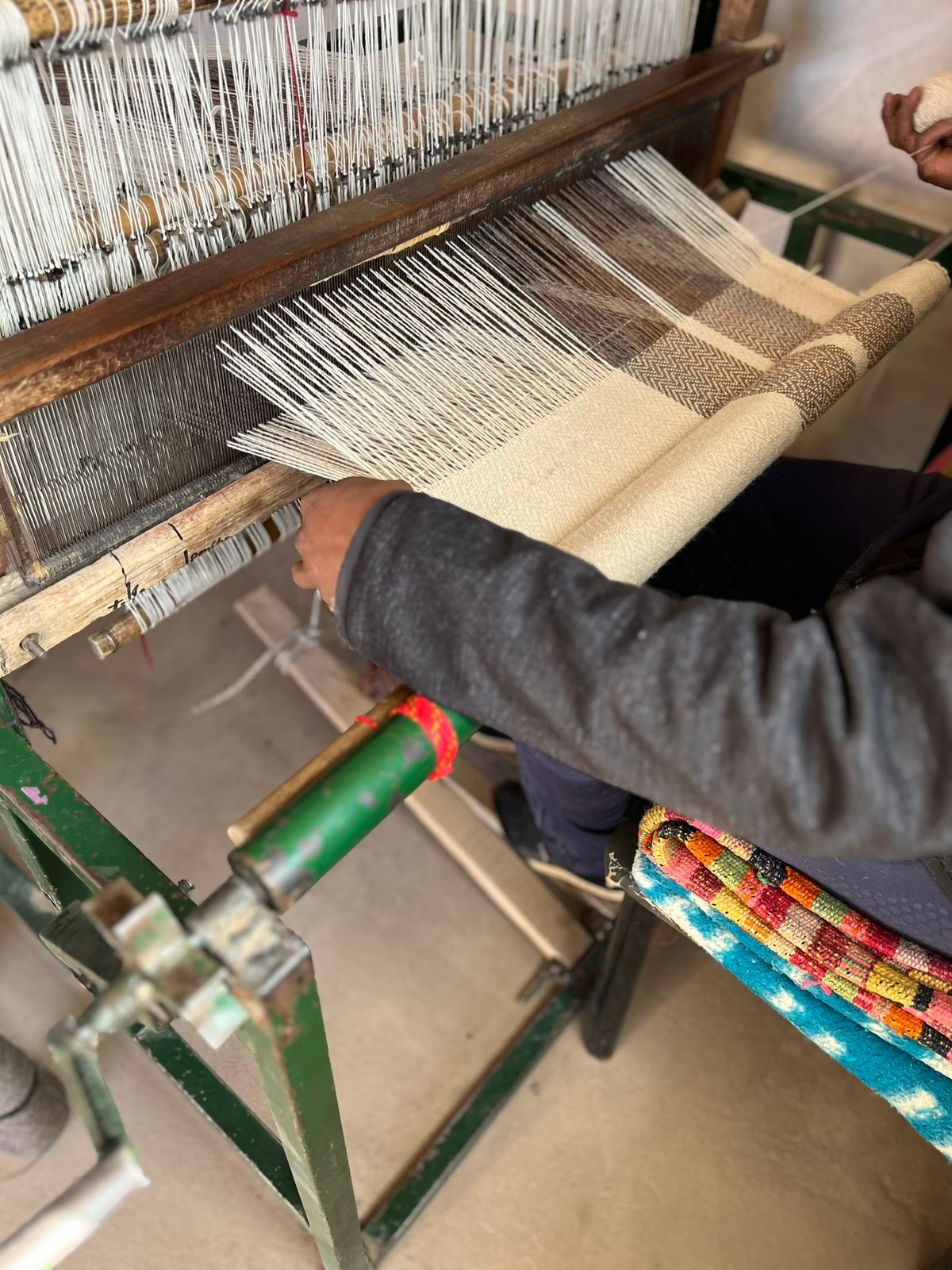
Every garment is the result of a meaningful collaboration, bringing together traditional techniques—handloom weaving, embroidery, and leather craftsmanship—with the expertise of artisans from Northern Argentina.
Each piece is handcrafted, honoring the time, the craft, and the identity of those who create it.
Marcom does not seek to replicate the past, but to reinterpret it for the present, transforming inherited knowledge into a distinctive expression of contemporary luxury.
Our collections are produced in limited editions for spaces that value authenticity, material integrity, and the beauty of the creative process. We believe in an essential aesthetic, where beauty emerges from what is genuine and handcrafted creation retains its true value.
Fashion has the power to become a bridge—connecting places, stories, hands, and memories.
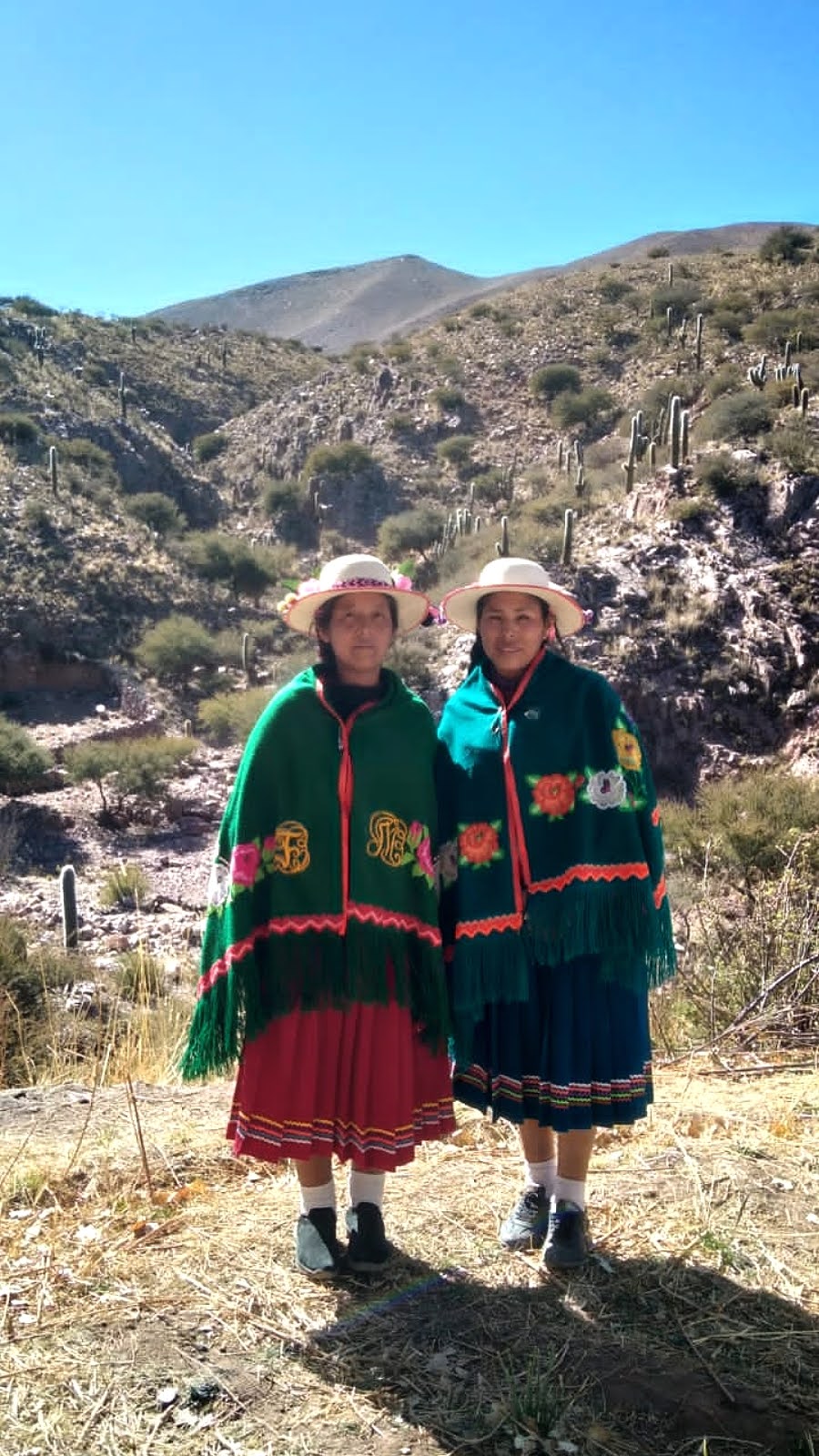
At Marcom, we have chosen to walk alongside the handloom weavers of Northern Argentina, especially those from Jujuy. Artisans who preserve a heritage that has endured through generations and remains profoundly relevant today.
Their work is more than technique. It is identity. More than weaving. It is place.
Within their craft, we find the spirit that inspires Marcom: roots, authenticity, and beauty.
The artisans of the Puna and Quebrada communities work on traditional looms using techniques passed down from generation to generation. Every piece is created with patience and pride, often in challenging conditions, yet always sustained by remarkable dignity.
Marcom approaches these traditional crafts with a clear purpose—not to transform them, but to accompany, honor, and bring their work to new audiences around the world.
Together, we create pieces that unite the nobility of Jujuy's handloom weaving with a contemporary design perspective, always respecting the ancestral essence of every technique.
We do not seek to change the craft, but to elevate it.
We do not seek to appropriate it, but to walk alongside those who keep it alive.
Every garment is the result of a genuine connection.
A shared creation where communities grow, artistry flourishes, and value returns to its true origin: the human hand.
Traditional handloom weaving possesses the strength and nobility to transform a garment into contemporary luxury.
Because we deeply believe that the future of luxury is human: conscious, handcrafted, with a face, a name, and a heart.
In collaboration with artisans specializing in leather craftsmanship and metalwork, we create pieces that unite contemporary design with a shared purpose: bringing the essence of our heritage into dialogue with today's fashion.
Within this collection, selected pieces feature handwoven textile details created by the Wichí community. Produced in very limited editions, these textiles bring a distinctive identity and profound cultural value to leather garments and accessories.
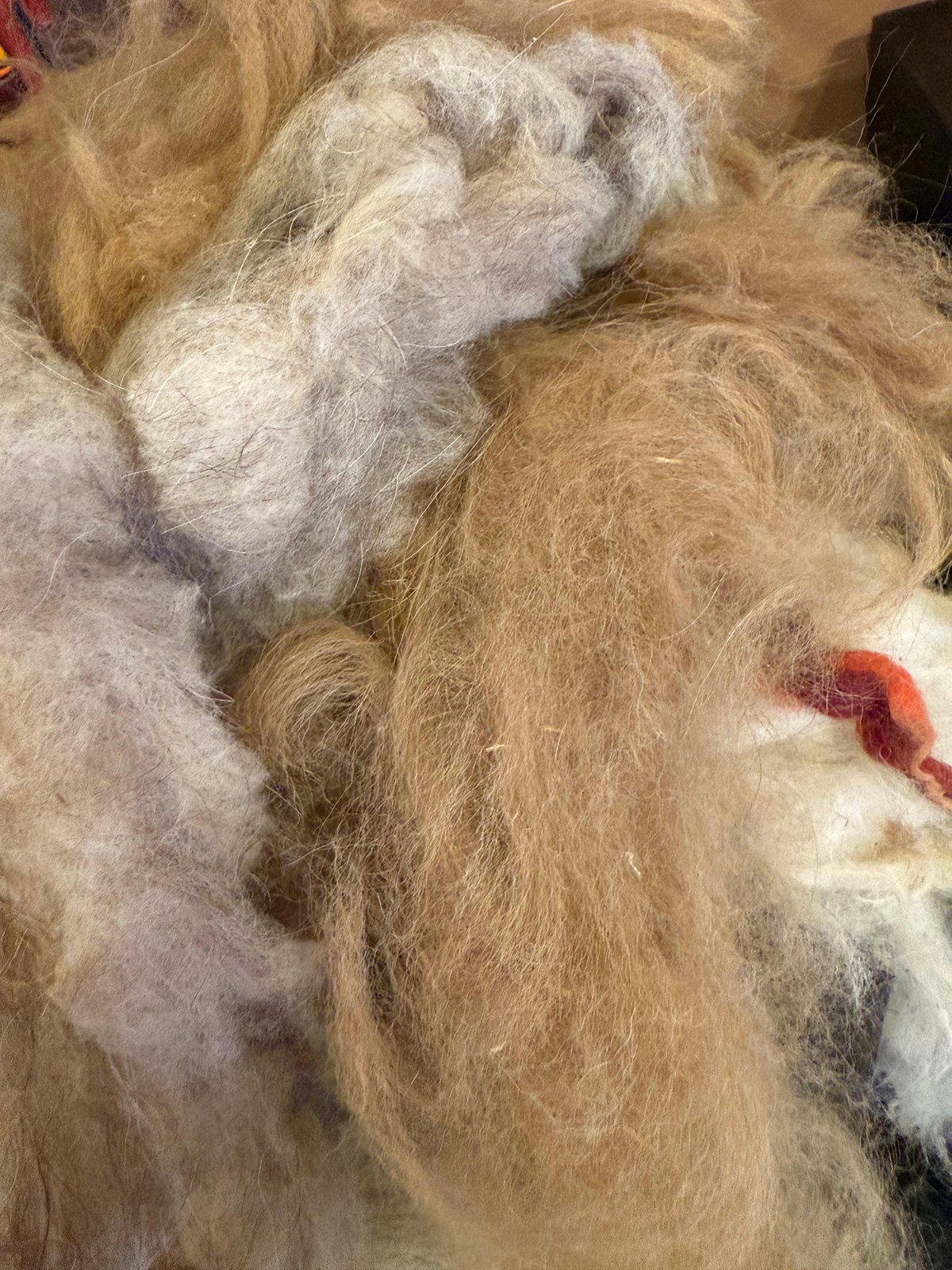
The Wichí people, native to the Gran Chaco region of Argentina, work with chaguar fibers, harvested sustainably from a native forest plant. Through their hands, these fibers are transformed into unique textiles that reflect the forests, rivers, and sunlight of their homeland.
Marcom approaches these traditional crafts with deep respect. We do not seek to transform their artistry, but to preserve, celebrate, and elevate it, always honoring their identity, their rhythms, and their way of creating.
Their artistry does not follow trends; it follows the rhythm of nature.
Because we believe the future of luxury is profoundly human: conscious, handcrafted, with a face, a name, and a heart.
Marcom's embroidery is created entirely by hand, freehand—without patterns, without machines.
Only the intuition, the steady hand, and the memory of the women who embroider.
Each piece may take anywhere from ten days to three months to complete.
That time is not waiting—it is living creation.
What emerges is never simply a design, but a story taking shape, patience transformed into beauty, and identity made visible.
These hands do more than create.
They preserve culture, pass on knowledge, and sustain their communities.
They embroider as their mothers and grandmothers once did, with threads guided not by trends, but by place, emotion, and heritage.
Giving visibility to these techniques is more than an aesthetic choice.
It is an act of responsibility—strengthening local economies, supporting dignified work, and preserving knowledge that must never be lost.
Because we believe the future of luxury is profoundly human: conscious, handcrafted, with a face, a name, and a heart.